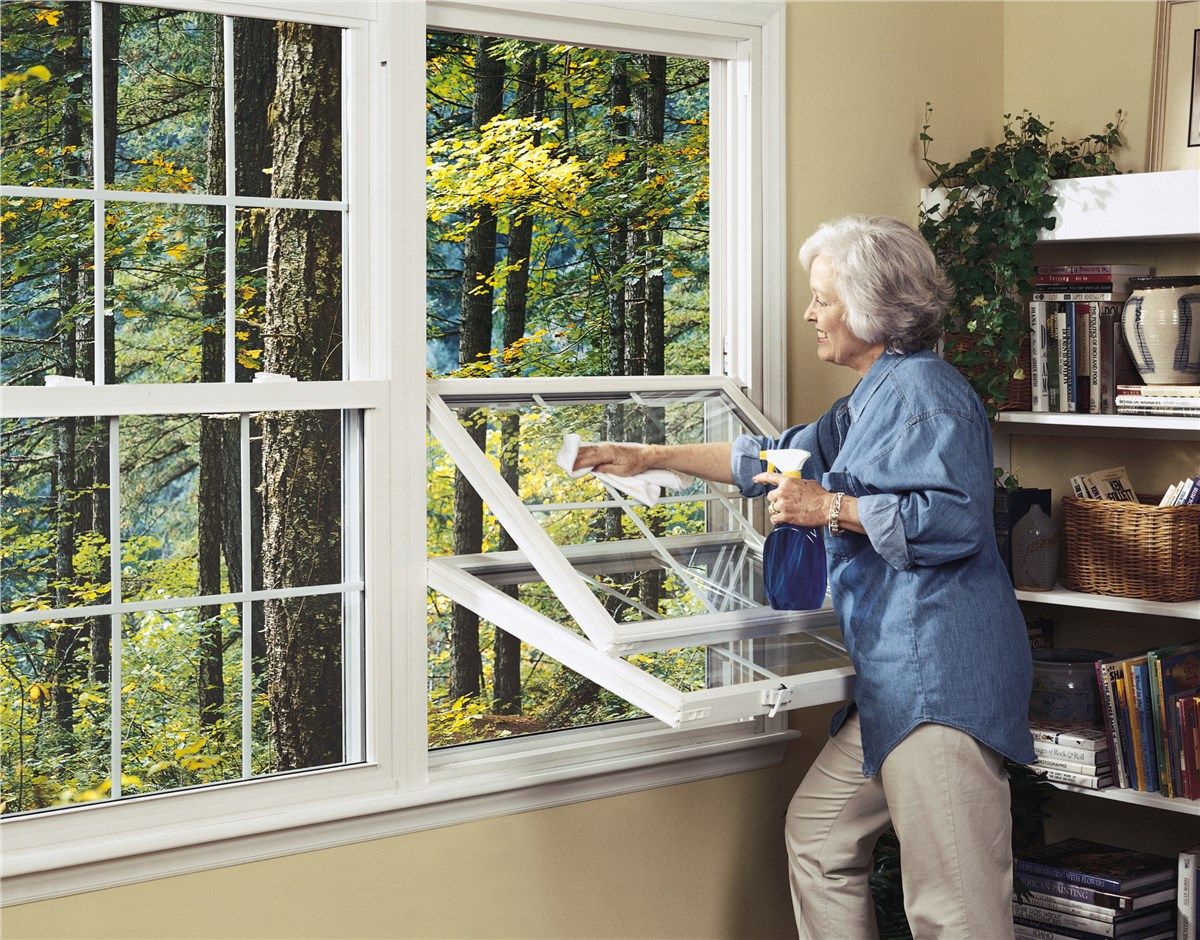
Windows are very essential in any home as they provide natural light, ventilation, and insulation. However, over time, windows get damaged, inefficient, or outdated, needing a replacement. According to the U.S. Department of Energy, upgrading old windows with energy-efficient ones can lower household energy bills by an average of 12%. We’ll discuss Castle Rock replacement windows and how windows are replaced, starting with the assessment to installation and final touches.
Window replacement is a complicated process, requiring planning, precision in measurement, and skillful craftsmanship. Whether you’ll be doing it yourself or hiring someone else to do the work, having an idea of what’s actually taking place while replacing your windows can help you make the right decisions toward its success. This detailed guide will take you through the whole process of how windows are replaced, from assessment to inspection.
Assessing the Need for Window Replacement
Before diving into the replacement process, it’s crucial to determine whether your windows actually need to be replaced. Several factors can indicate that it’s time for new windows:
Signs of Window Deterioration
If the frames are rotting, the glass is cracked, or the sashes are warped, these are windows that scream for replacement. These problems will affect not just the look of your home but also the efficiency in terms of energy and security.
Energy Inefficiency
If you feel drafts, notice condensation between the panes, or your energy bills are going up considerably, chances are that your windows are losing their insulating properties. Modern, energy-efficient windows minimize heat transfer and increase the comfort and energy efficiency of a home overall.
Outdated Style or Functionality
Sometimes, windows are replaced just because they no longer serve the style of the home or do not serve functionality to the occupants. Installing a new style or type of window can significantly affect both the aesthetic appeal and functionality of your space.
Planning and Preparation
After deciding to replace your windows, you want to plan and prepare for the process as efficiently as possible.
Selecting Windows
The selection of windows depends on many factors including material type, style, ratings for energy efficiency, and budget. Common materials used in window construction include vinyl, wood, fiberglass, and aluminum-all with specific advantages and disadvantages. Window styles include traditional double-hung and casement windows, along with more specialized bay window options or sliding glass doors.
Measuring for New Windows
Precise measurement is important to guarantee proper fitting and maximum functionality of your new windows. Professional window installers will take high levels of detailed measurements of each window opening, accounting for any abnormalities in the frame or surrounding structure. From these measurements, a custom order of windows will be made for perfect fitting in the existing openings.
Securing Required Permits
Depending on where you reside and depending on the scope of the project, some projects may require permits. Check with your local building department about what’s required in your location so you can comply with all applicable building codes and regulations.
The Window Replacement Process
Now it is time to get into the real window-replacement process. This often involves numerous steps, each with proper attention and technique. Some of the steps involved in replacement include:
Removing the Old Windows
The first step to replacement involves the removal of the existing windows. Most often this includes removing any of the trim or molding surrounding the window, and then the careful removal of the sash and frame of the window from the surrounding structure. In doing this, it is very important to limit the amount of damage to the wall and surrounding surfaces.
Preparing the Opening
It is important to prepare the opening once the old window has been taken out. This might include repainting or replacing the damaged framing, taking care of any moisture or insulation, and just generally having the opening clean, level, and square so that the new installation can be secure and weathertight.
Installing the New Window
The new window installation is done once the opening has been prepared. This normally includes placing the window in the opening, leveling and plumbing it, and securing it in place by whatever type of fastener is appropriate. The method will depend on the type of window and specific manufacturer’s requirements.
Insulating and Sealing
Correct insulation and sealing are very important to ensure that the new window works with maximum energy efficiency and effectiveness. This usually means adding insulation around the frame and filling gaps between the window and structure with caulk or expanding foam, being very careful not to over-insulate lest this interfere with window operation or cause moisture problems.
Finishing Touches
The finishing touches that complete the installation of new windows involve the final step. This will probably include interior and exterior trim installation, weatherstripping application, and anything else that may be required in terms of hardware or accessories. These finishing touches help enhance the overall appearance of the new window while contributing to its overall functionality and performance.
Specialized Window Replacement Scenarios
While the basic process of replacing windows remains similar for most situations, certain scenarios necessarily demand specific approaches or additional considerations.
Replacing Windows in Older Homes
Older homes can have their own set of unique challenges when replacing windows. These include non-standard window sizes, historical preservation requirements, or hazardous materials such as lead paint. In these cases, many homeowners find the need to work with specialists who deal with specific issues associated with older homes.
Bay and Bow Window Replacement
Replacing bay or bow windows involves more in the way of structural considerations, because they are heavier and larger. These windows are often built to extend from the exterior wall of the house, which can involve adding structural elements to support the added load correctly.
Egress Window Installation
Other times, window installation can involve a larger project of adding or upgrading egress windows required by building codes for specific areas of the home, such as basements or bedrooms. Installing egress windows often includes more significant changes to the existing structure, such as making the window opening larger and possibly excavating the surrounding area.
Post-Installation Considerations
Following the installation of new windows, there are a couple of important things to consider in terms of the ongoing performance and satisfaction with them.
Inspecting the Installation
A proper check of the newly installed windows is vital for the identification and rectification of various issues before they become bigger. It should involve an operational check, checking that all seals and weatherstripping are intact, and verification regarding proper window alignment and being on level.
Care for Your New Windows
Proper maintenance will help extend the look and operation of your new windows. This can include regular cleaning, lubrication of moving parts, and checking of seals and weatherstripping for wear or potential damage. A maintenance program as recommended by the manufacturer can prolong the life of your windows and keep them operating efficiently.
Understanding Warranties
Most new windows are warranted for various aspects of their performance and for how long they will last. Understand the terms of those warranties, including what is covered and for what period. Know what constitutes negating their warranty. Store all documentation of your new windows in a safe place for reference.
Environmental and Energy Considerations
Changing your windows can make a big difference in energy efficiency and even environmental impact.
Energy Efficiency Ratings
In the process of choosing new windows, you should give priority to energy efficiency ratings such as the U-factor, Solar Heat Gain Coefficient, and Air Leakage. These ratings will help you in selecting the best window to suit your climate and goals regarding saving energy.
Recycling Old Windows
Proper window disposal is important for environmental considerations. Many of the elements involved in old windows, such as glass and the metal frames, can be recycled. Check with local recycling facilities or window replacement companies to explore recycling options for your old windows.
Long-Term Energy Savings
While the upfront cost can be extremely high for window replacement, the long-term savings in energy can often justify such an investment. Energy-efficient windows will help to minimize heating and cooling costs while improving comfort and may possibly raise the value of your house.
Final Thoughts
Window replacement is a major home improvement project that can be used to improve comfort, energy efficiency, and aesthetics in the home. By understanding the process of how windows are replaced, from initial assessment to final installation and beyond, you can make informed decisions and ensure a successful outcome.
Whether you choose to tackle the project yourself or hire professionals, careful planning, attention to detail, and proper maintenance will help you enjoy the benefits of your new windows for years to come. Remember that while the process may seem daunting, the end result in improved comfort, energy efficiency, and aesthetics makes replacing windows well worth the investment in your home’s future.